Q&A: What Should Adults Over 50 Know About Circulatory Wellness and Daily Nutrition?
We sat down with a registered wellness advisor - a nutrition professional with over two decades working with adults navigating healthy aging - to unpack what circulatory wellness actually means in practical terms, and what role targeted daily supplements can play. Their advice is educational and not intended as personal medical guidance.
Q: Why do adults over 50 often begin focusing more specifically on heart and vascular health?
As we move through the decades, our bodies' efficiency at extracting and deploying key micronutrients from food can change. Adults who remain active into their 50s and 60s often notice they want to be more intentional about their nutritional foundations - particularly around nutrients that contribute to everyday energy, normal muscle function, and the general upkeep of the cardiovascular system. It's less about alarm and more about proactive routine-building.
Q: What does "supporting healthy circulation" actually mean from a nutrition standpoint?
Healthy circulation is about maintaining conditions where the body's transport systems - blood vessels, the heart muscle, the fluid and nutrient delivery to tissues - work smoothly and comfortably day to day. Several micronutrients have well-established, EFSA-backed roles here. Vitamin C, for example, contributes to normal collagen formation for the normal function of blood vessels. Magnesium contributes to normal muscle function and the maintenance of normal blood pressure. These aren't dramatic cure claims - they're foundational building blocks recognized at the regulatory level across Europe and the US.
Q: Where does something like hawthorn berry fit in?
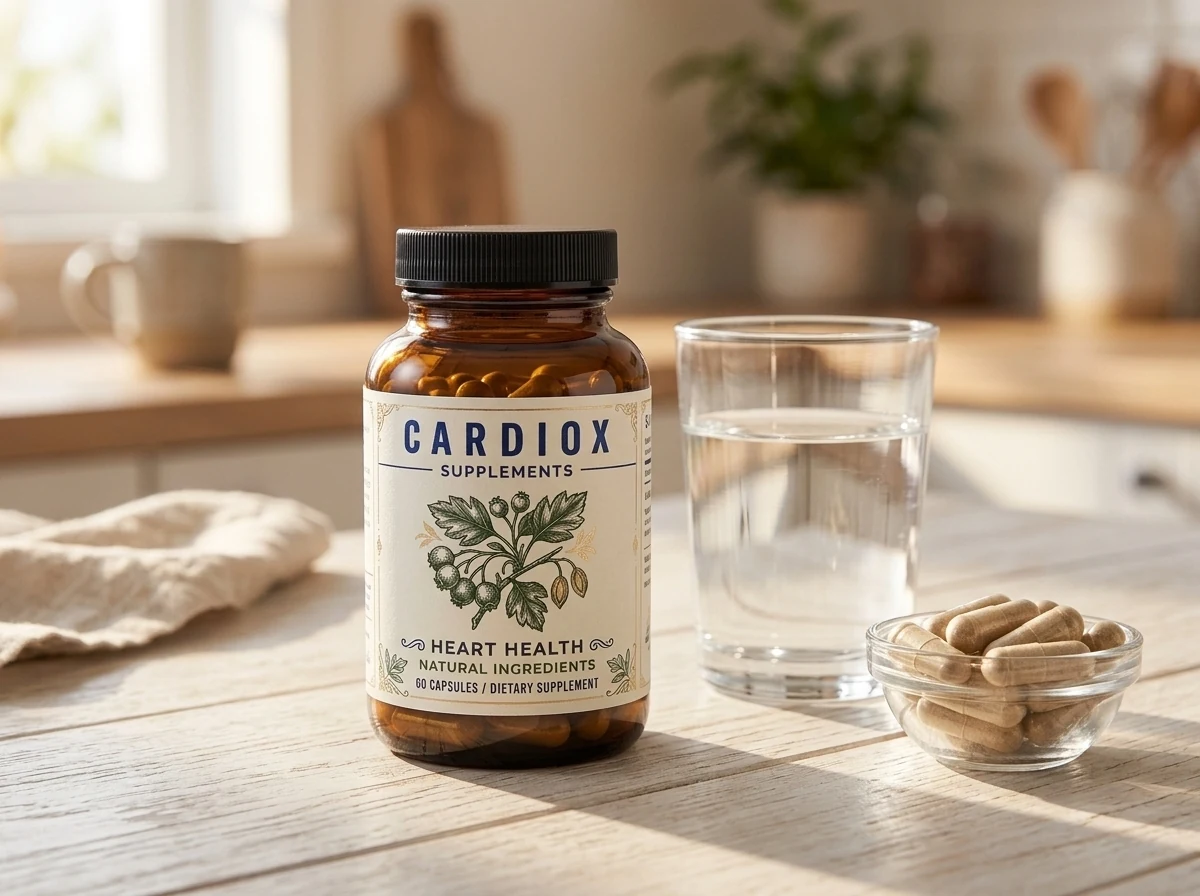
Hawthorn has a long history in European botanical wellness traditions, particularly in formulations focused on heart comfort and everyday circulatory ease. It's a plant that's been part of folk medicine and formal herbal traditions for centuries. From a supplement standpoint, it's typically included as a traditionally-used botanical alongside targeted micronutrients - not as a standalone treatment for any condition, but as a complementary botanical component of a balanced wellness routine.
Q: What should someone look for when choosing a circulatory wellness supplement?
Transparency is the key word. You want to see a clear ingredient list with specific forms and quantities, EFSA- or nationally-recognized nutrient function claims tied to individual ingredients (not vague product-level promises), and a straightforward return or satisfaction policy. Be skeptical of anything that promises to "cure," "eliminate," or "reverse" a specific health condition - supplements are not medicines. What you're looking for is honest support, not miracles.

Q: Is a daily supplement enough on its own?
Absolutely not - and any honest supplement brand will tell you that. Food supplements are designed to complement a varied, balanced diet, not replace it. The most meaningful changes in how people feel over time come from consistent lifestyle habits: regular moderate movement, adequate hydration, varied colorful nutrition, good sleep, and periodic wellness check-ups. A supplement can fill specific nutritional gaps and reinforce certain well-studied nutrient functions, but it works best as one layer in a bigger picture.